
Let the guide shape the walk
Before booking, ask which access point and trail are proposed, how long you will be on foot and what the ground is like. The best route is the one you can enjoy with attention left for the forest. Tell the planner about mobility limitations, recent injuries or a preference for a gentle walk. Trail descriptions should be confirmed for current conditions, not copied from an old itinerary.
Use more than your camera
Pause to listen. Ask the guide about vegetation, bird calls or signs along the path. Take a small notebook if recording observations interests you. When the day is measured only in visible animals, quieter parts of the forest can feel like a disappointment; when the habitat is the subject, those same moments become part of the experience. No primate or bird sighting should be treated as a booking inclusion.
Keep the practical kit simple
Use closed shoes with grip, a rain layer, water and a comfortable small bag. Keep phones and cameras protected without making the kit too heavy. Follow the guide’s instructions and the permitted route. Ask about the plan if conditions make the intended walk unsuitable. A shorter forest visit can still be worthwhile when it is chosen well.
Give the highlands an overnight
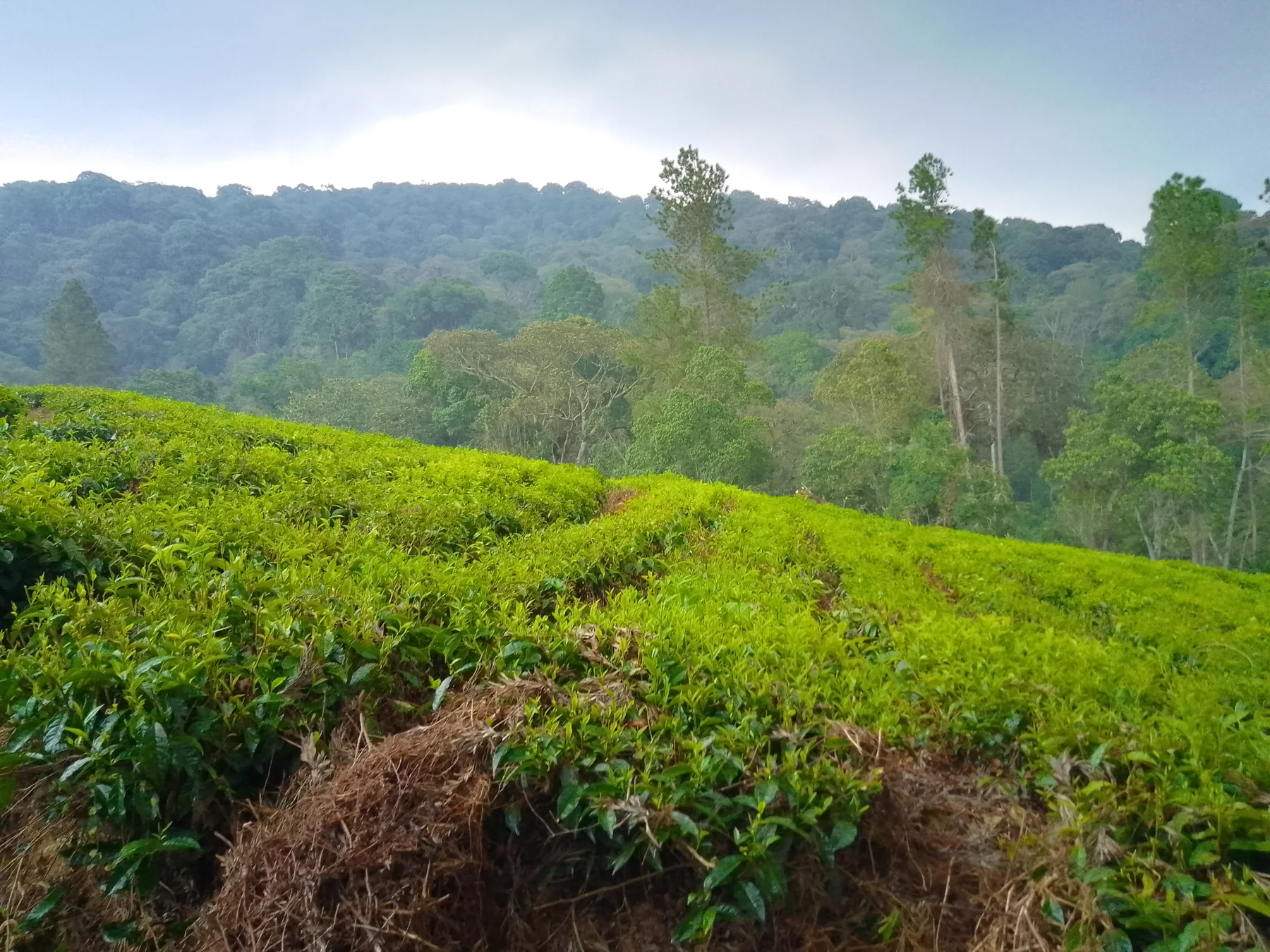
A stay near the highlands can make the forest morning easier and leave time for tea-country scenery on a separate day. For a longer journey, continue toward Gitega after the walk and a proper rest, using a dedicated transfer day where needed. The value of the forest visit lies in attention, not in how much else you can fit around it.
Background reading
Practical suggestions are editorial planning guidance. Confirm access and services for your travel date.