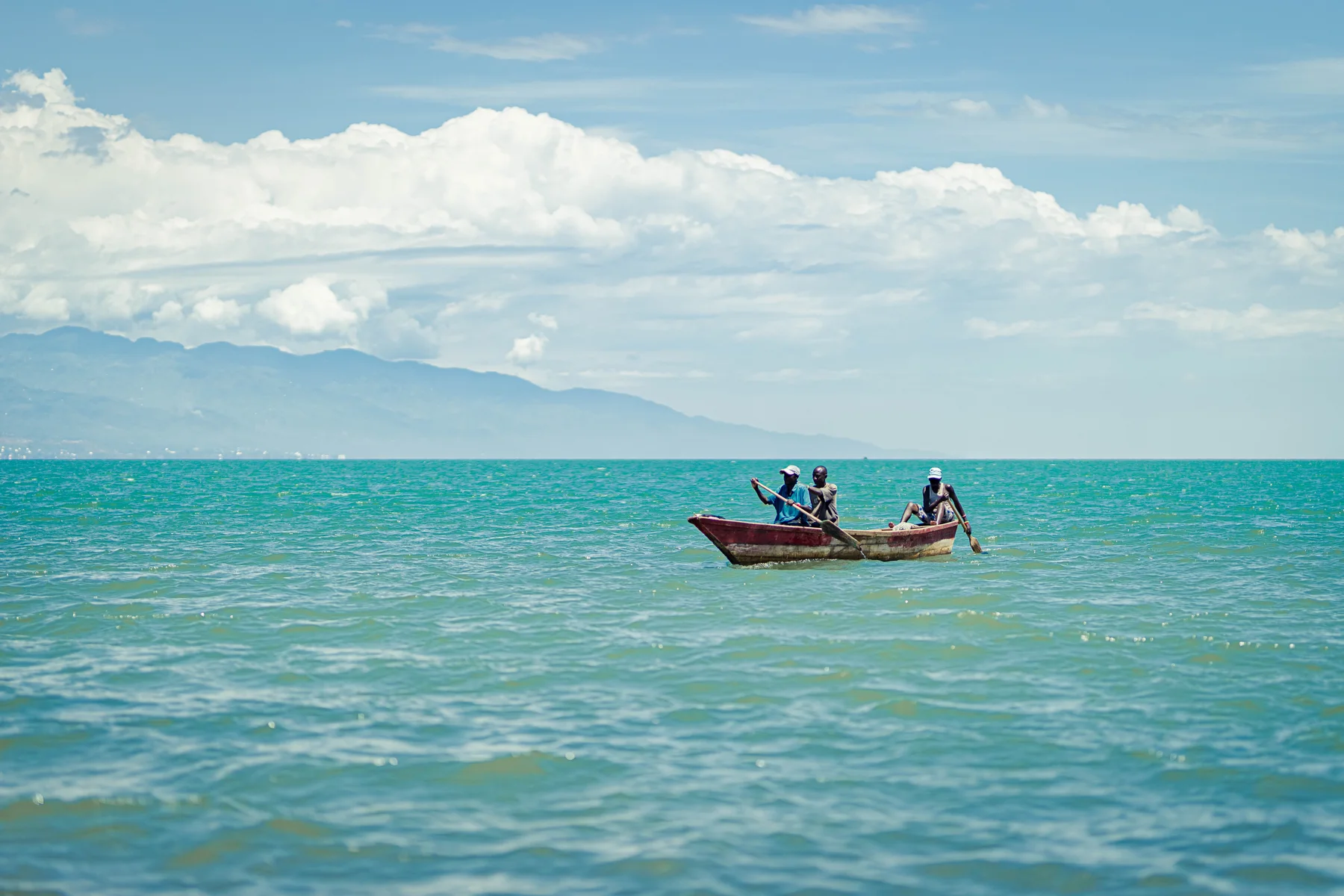

Give the day a subject
Instead of trying to capture the whole country, choose lake light, tea-country patterns, a city neighbourhood or a hosted cultural experience. A guide can help identify suitable locations and explain what you are looking at. Leave room to wait for light and put the camera down for meals and conversation. That rhythm is more productive than a day of hurried stops.
Make consent clear
Ask before close portraits, filming work or photographing private spaces. Explain the intended use when it matters, particularly if the work will be commercial. A guide’s presence does not replace the subject’s permission. Do not treat a refusal as a negotiating point. With children and vulnerable people, be especially careful about whether a photograph is appropriate at all.
Distinguish a holiday from a production
A leisure itinerary does not include location releases, drone authorisation, commercial filming access or a production crew. If you need those, describe the project before planning the route. Let the operator identify the necessary current approvals and realistic timing. Never assume that an open landscape or a paid entrance gives permission for every kind of recording.
Keep equipment manageable
Tell the planner about large bags, tripods and charging needs so vehicle and room arrangements can be considered. A small kit is easier to carry in a market or on a forest walk. Protect it from spray and rain, but do not let care for the equipment distract you from the guide’s instructions. A missed frame is preferable to interrupting a host or approaching wildlife too closely.