
Identify what depends on conditions
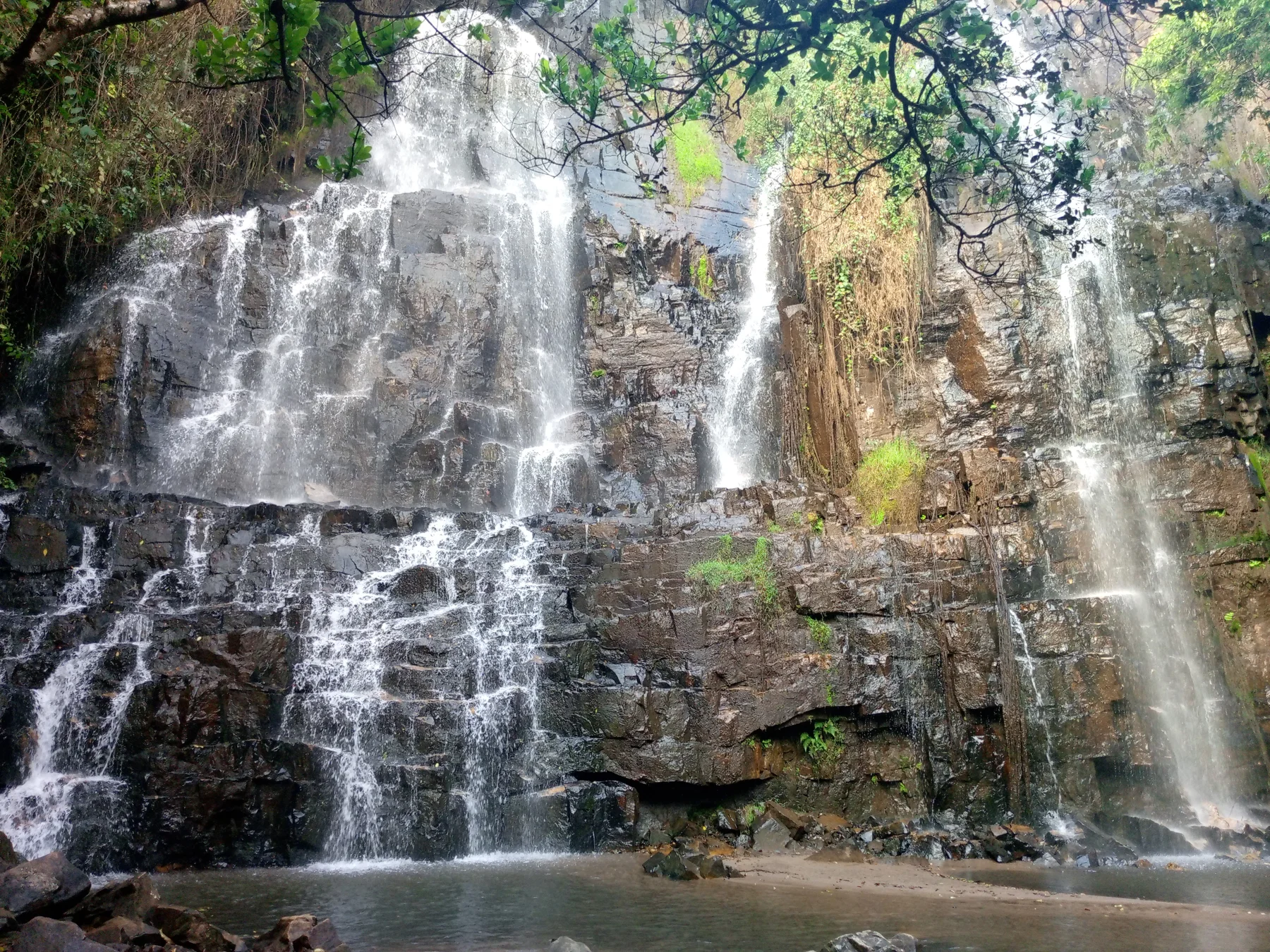
Boat outings, forest walks, waterfall paths and open viewpoints each respond differently to weather. Ask the operator which part of your day is most sensitive and when the decision will be made. A cloudy viewpoint may still be pleasant; a boat or slippery trail may require a more substantial change. The person responsible for the activity should have room to make that call.
Put flexibility near the right place
A free afternoon in Bujumbura can help a city or lake plan, but it does not automatically solve a delayed visit far inland. Keep spare time near the experience you care about. An overnight around Gitega can protect a cultural visit; a nearby highland base can make a revised forest start easier. Flexibility is most useful when the geography supports it.
Agree the practical consequences
Before booking, ask what happens to activity charges, transport, meals and accommodation if the plan changes. Waiting for rain to ease is different from cancelling an activity entirely. A dated quotation should explain the relevant terms without promising a refund that has not been agreed. Keep the conversation specific to your route and provider.
Pack for comfort and attention
A light rain layer, grip underfoot and a dry bag for essentials can make a variable day more comfortable. Do not carry so much spare kit that the walk becomes tiring. Let the guide know your limits and accept a shorter visit when needed. Weather can change the mood of a landscape; the aim is to enjoy the version that is sensible to experience that day.