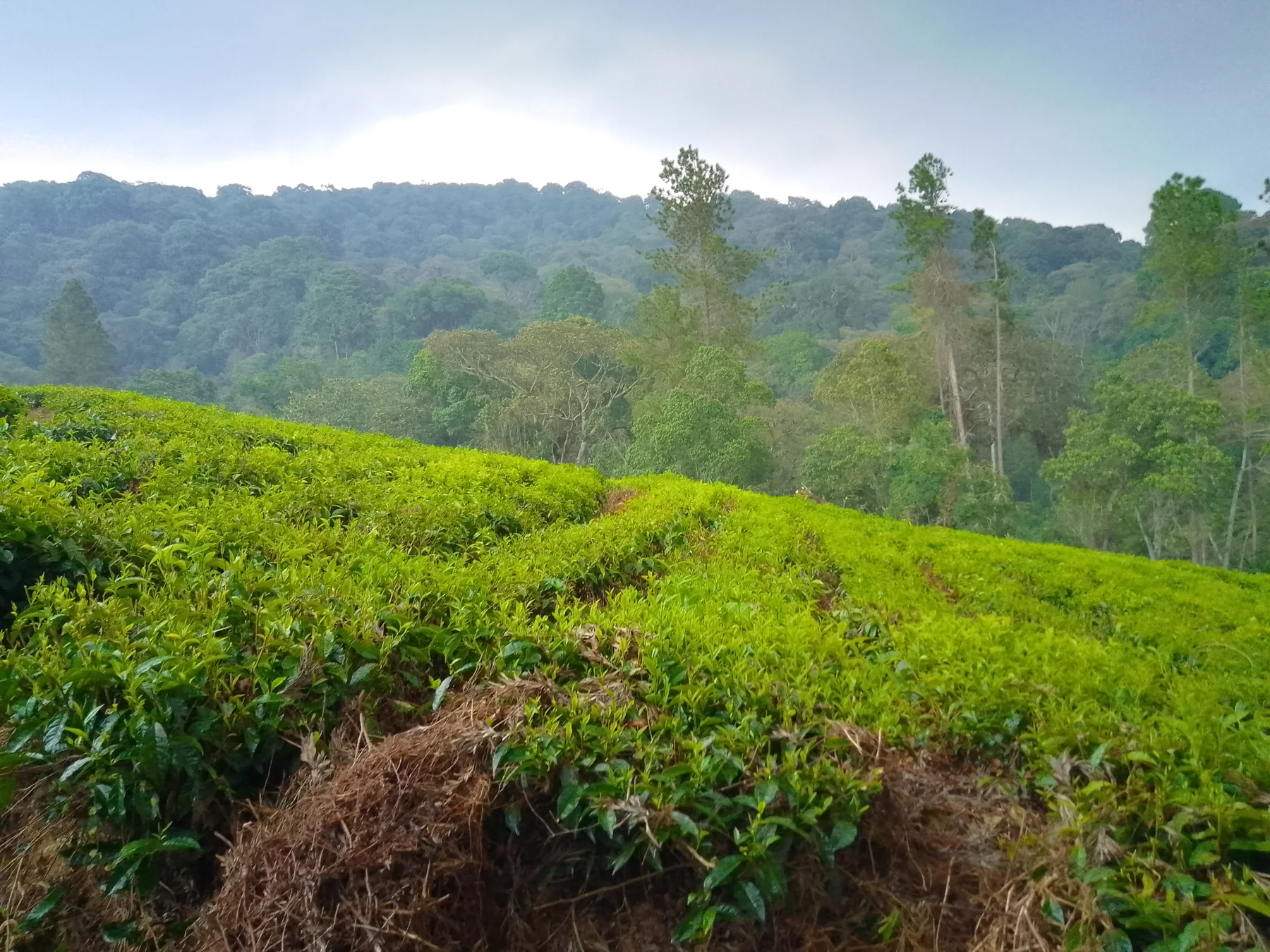

Look beyond the viewpoint
Begin by looking at how the planted slopes fit the hills. A guide can help you notice the relationship between fields, paths and nearby settlements. Allow time to stop rather than trying to photograph everything from a moving car. The highland setting makes a useful contrast with the lakeside plain, but the day should include a proper meal and time to settle into the change of pace.
Remember that fields are workplaces
Do not enter planted areas or photograph workers closely without permission. An attractive plantation is not automatically an open visitor attraction. Ask the operator what access has been arranged and who will host the visit. A factory tour, tasting or detailed demonstration is a separate service that must be confirmed; it should not be implied merely by the words “tea tour”.
Pair it thoughtfully with Kibira
Tea-country scenery and a guided forest walk make a coherent highland stay. They need different arrangements: permission for a hosted plantation activity and the correct guide and access for the forest. Sleeping nearby can help keep the next morning relaxed. Trying to do a substantial forest walk, a full tea visit and a distant onward drive in one day may weaken all three.
Choose what you want to learn
Tell the planner whether you care most about landscape photography, agricultural life or an introduction to tea production. A specific interest is easier to arrange than a general request to “see everything”. Carry a layer for changing weather and a way to keep a camera dry. The photograph on this story shows the Kibira highland landscape; your actual tea stops will be agreed locally.
Background reading
Practical suggestions are editorial planning guidance. Confirm access and services for your travel date.